
 Türkçe
 English
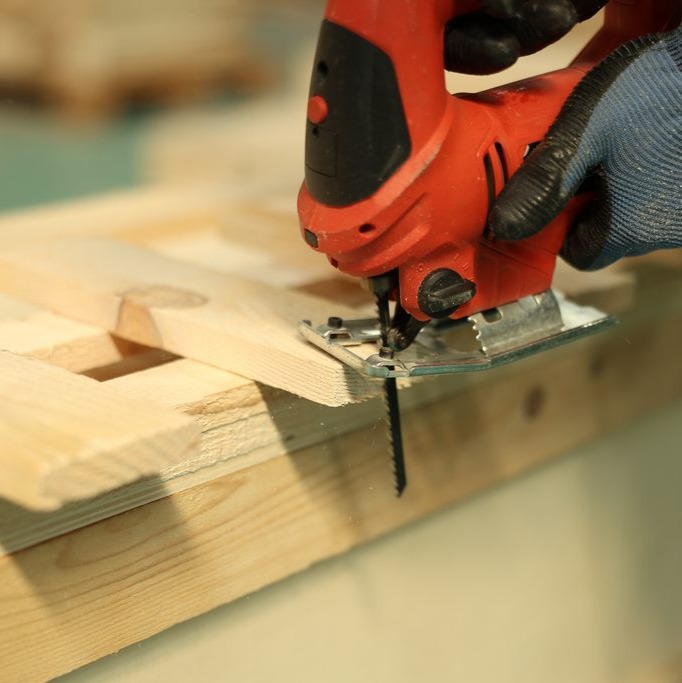
Technical Considerations for Custom-Sized Pallet Design
Custom pallet design should be based on the product’s actual base dimensions, weight distribution, contact points, and operating conditions. Coordinated planning of blocks and skids, forklift access, rack and warehouse compatibility, and ISPM 15 requirements ensures safe load capacity, product stability, and operational efficiency.
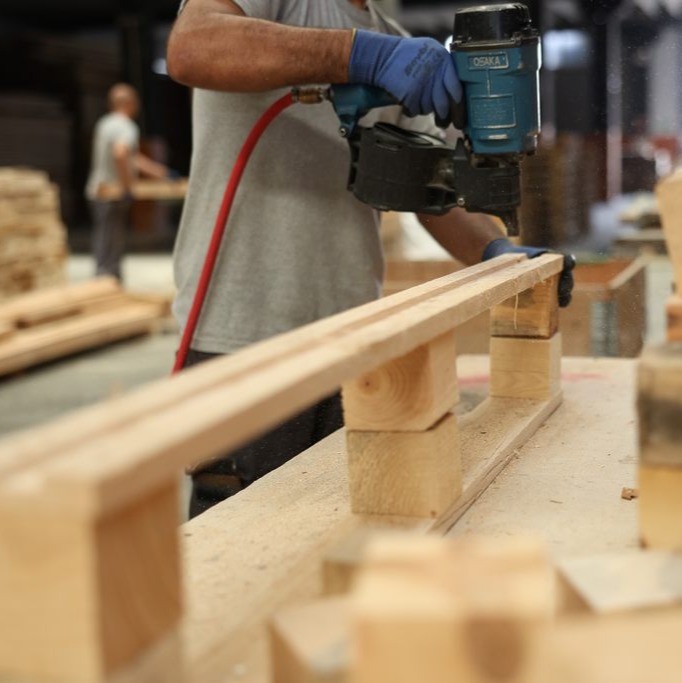
Differences Between EURO Pallets and Custom-Sized Pallets
With its standard 1200 × 800 mm dimensions, the EURO pallet provides operational compatibility across forklift, racking, warehousing, and transportation processes for regular and evenly distributed loads. Long, heavy, irregular, or point-loaded products require custom dimensions, structural design, and equipment compatibility; the right choice should be based on safety and total logistics efficiency, not initial cost alone.
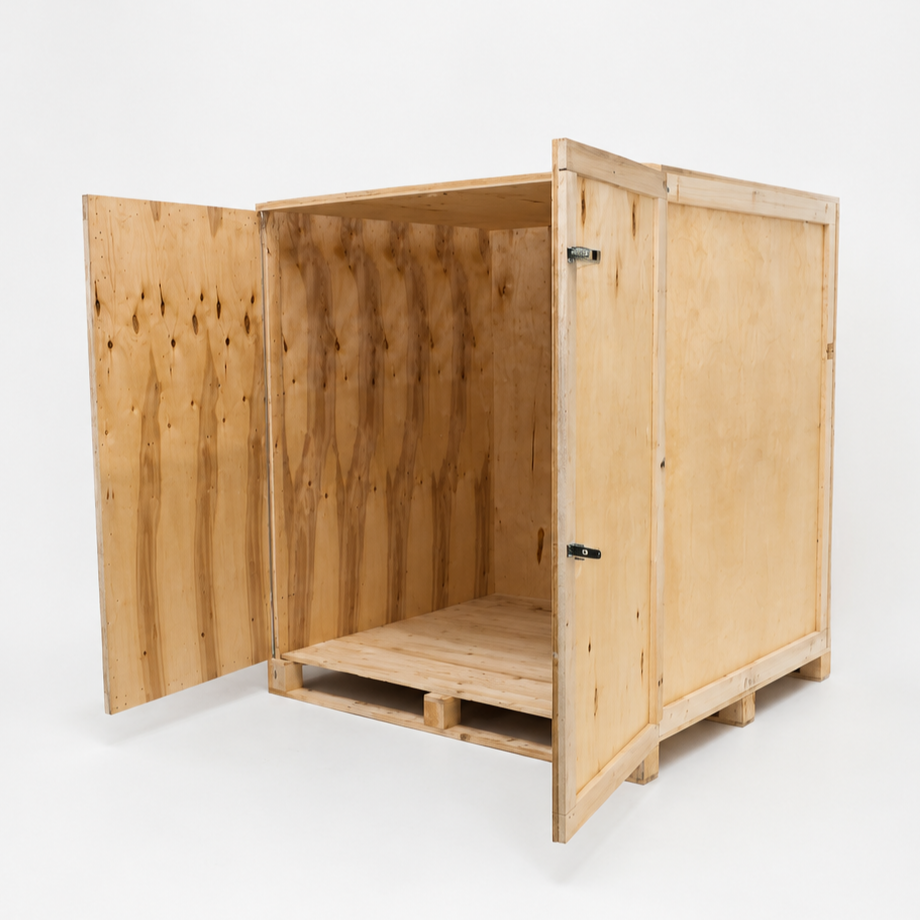
What Is an Exhibition Case? A Guide to Reusable Exhibition and Equipment Packaging
Exhibition crates are reusable packaging systems designed for the secure transportation, organized storage, and rapid setup of sensitive equipment and stand components across multiple events. Durable opening mechanisms, product-specific compartments, suitable foam protection, international shipping compliance, and planned maintenance reduce equipment damage, component loss, and operational time.
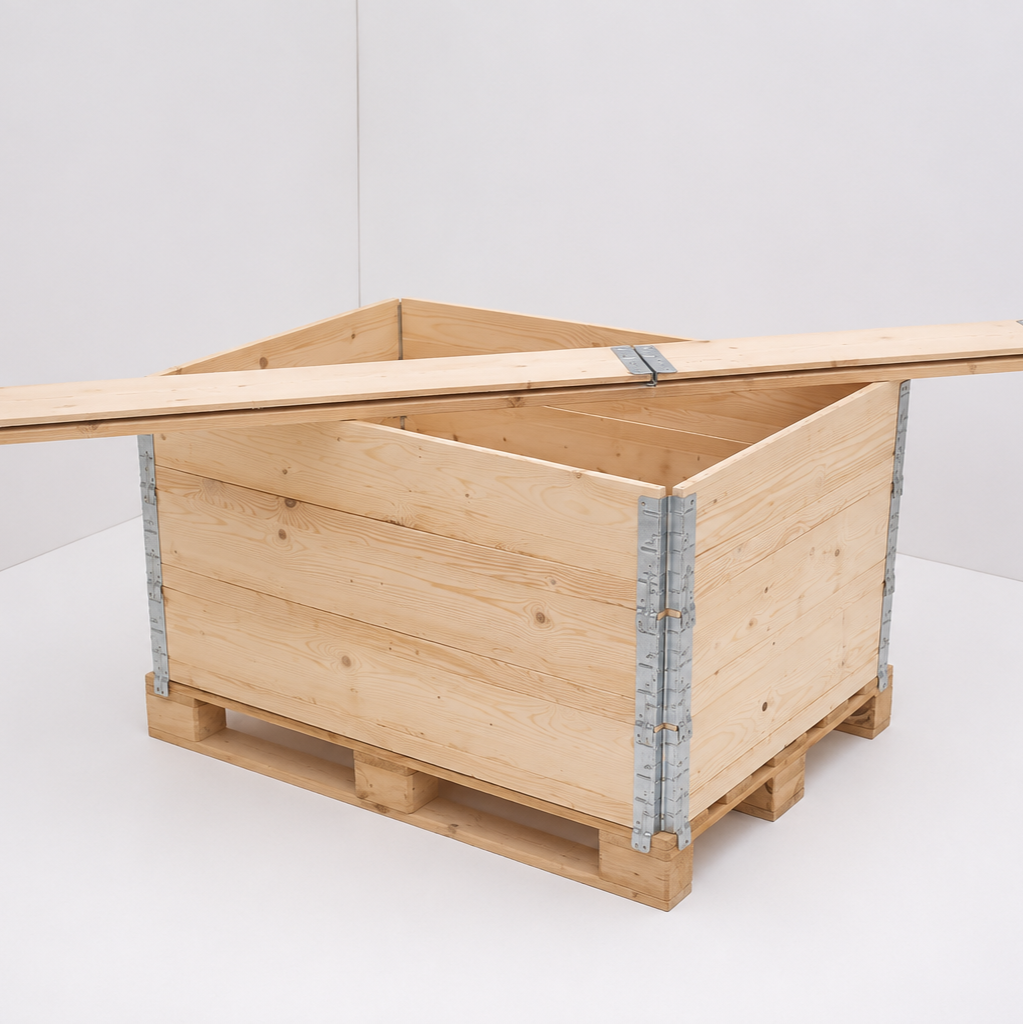
In Which Industries Do Foldable Plywood Crates Provide Operational Advantages?
Foldable plywood crates provide reusable, space-efficient, and product-adaptable packaging solutions for the automotive, food and agriculture, textile, retail, and machinery sectors. Effective use depends on the coordinated management of load capacity, modular internal layouts, hygiene requirements, warehouse circulation, and regular maintenance processes.
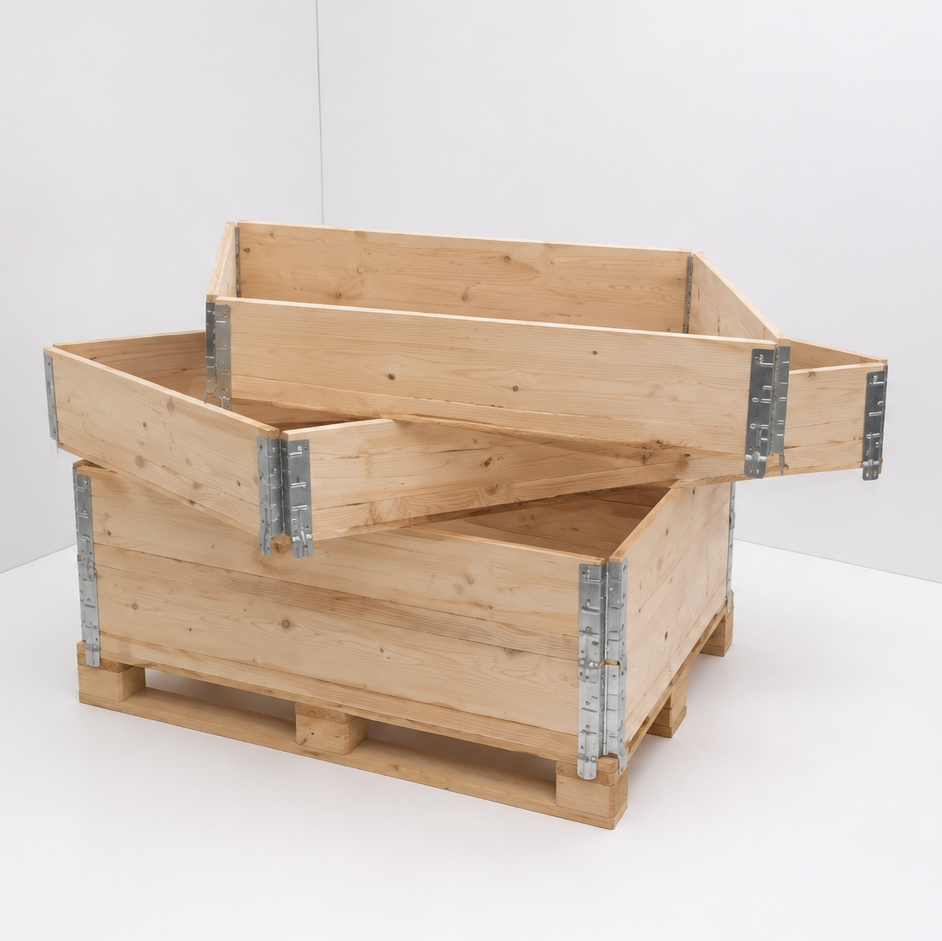
What Is a Foldable Plywood Crate? How Does It Reduce Storage Costs?
Foldable plywood crates are reusable industrial packaging systems consisting of a load-bearing base, collapsible body, and lid. They improve logistics efficiency by reducing empty-return and storage volume, while suitable product selection, durable connections, maintenance, traceability, and total lifecycle cost analysis determine long-term performance.
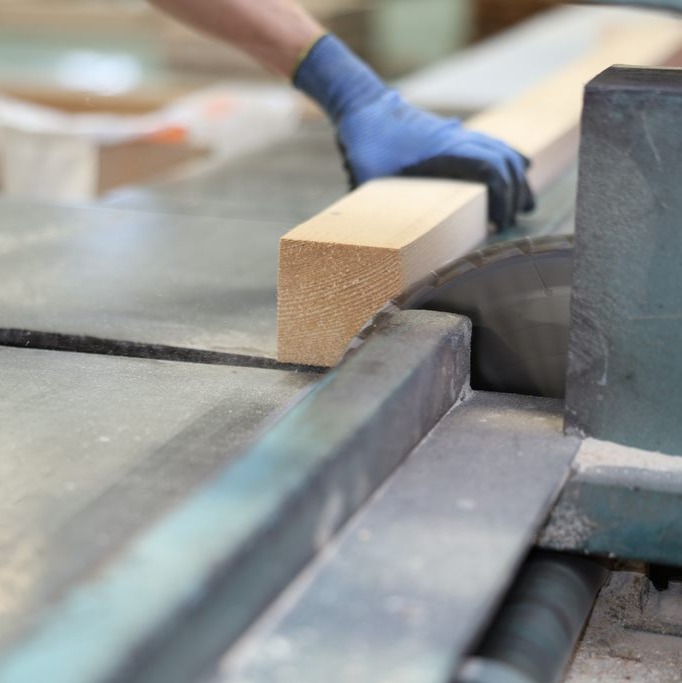
How to Plan the Dimensions of a Wooden Cage: A Practical Guide to Measurement
The safe and cost-effective design of an open-frame wooden crate depends on accurately determining the product’s actual dimensions, protection clearances, center of gravity, and load-transfer points. Coordinated planning of the base structure, forklift access, and vehicle or container compatibility reduces damage, operational delays, and unnecessary logistics costs.

What Is a Wooden Crate? What Products Is It Suitable For?
Open-frame wooden crates are industrial packaging solutions that provide visibility, ventilation, reduced weight, and material efficiency for durable products capable of withstanding limited environmental exposure. Safe use requires product-specific dimensions, a load-bearing base, suitable frame spacing, secure internal restraint, and ISPM 15 compliance for all solid wood components used in export shipments.

In What Situations Is Custom-Sized Wooden Crate Manufacturing More Advantageous Than Standard Solutions?
Custom-sized wooden crates provide product-specific dimensions, load-bearing bases, internal restraints, and protection for heavy, sensitive, or irregularly shaped items that standard packaging cannot adequately accommodate. Accurate planning based on technical drawings reduces damage risk and unnecessary shipping volume while improving loading, transportation, and delivery efficiency.

Wooden Crate or Wooden Box? How to Choose the Right Type of Packaging?
The choice between a wooden crate and an open-frame case should be based on product weight, sensitivity, transportation route, storage conditions, and expected service life. Closed crates provide greater surface and environmental protection, while open-frame cases offer visibility and material efficiency; both require a strong base, secure internal restraint, and safe lifting and stacking design.
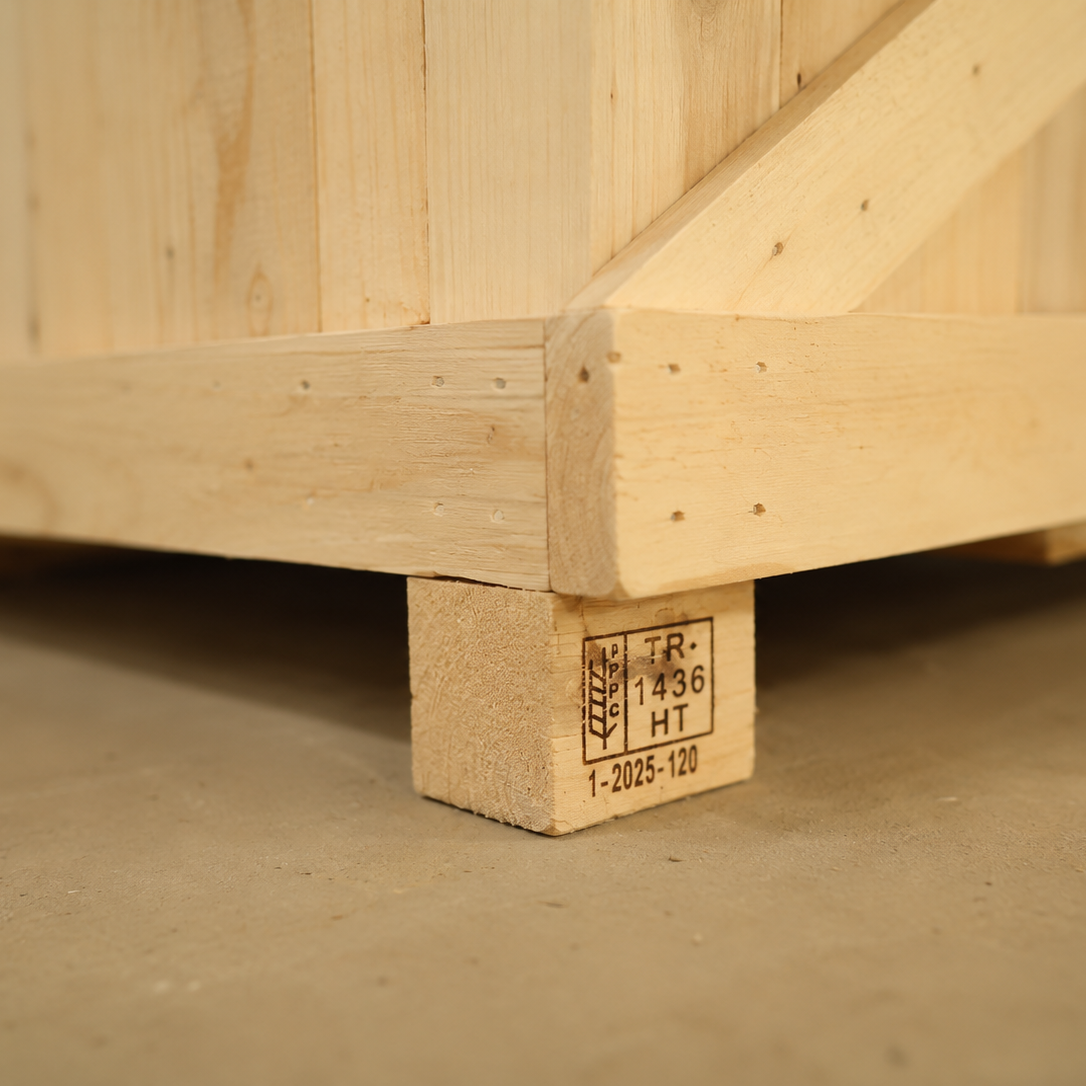
Advantages for Exporters of Using Heat-Treated Export Crates
Heat-treated export crates reduce the risk of pest transmission and quarantine while supporting customs compliance and international acceptance. However, product safety requires IPPC/HT compliance to be combined with proper crate design, secure load restraint, traceable materials, and effective moisture management.
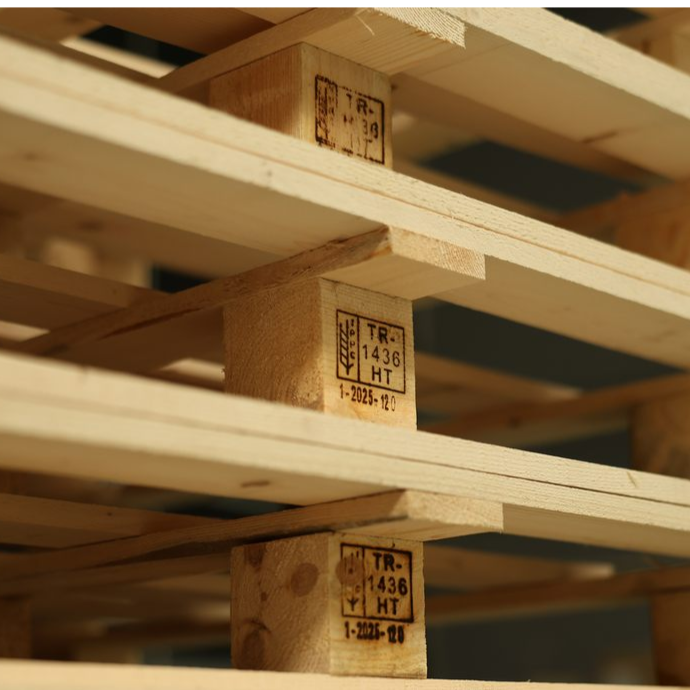
What Is the IPPC Stamp? How Is Customs Assurance Provided for Heat-Treated Export Crates?
The IPPC mark confirms that solid wood packaging used in exports has been treated in accordance with ISPM 15. The TR and facility codes ensure producer traceability, while the HT code indicates that the required heat treatment has been applied. Correct, legible, and visible marking—aligned with production records and export documentation—is critical for reducing customs compliance risks.